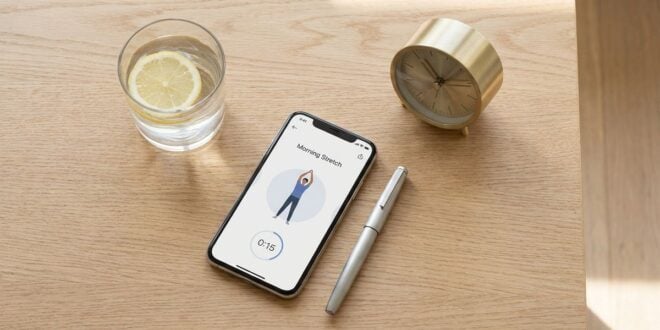
Many people reach for their phone the moment they wake, and that first glance often turns into twenty minutes of messages, headlines, and scrolling before breakfast. Moving the phone out of the bedroom is one of the simplest ways to break that pattern. A plain alarm clock does the one job most people actually need from the device, which is waking them on time. This article explains how to make the switch, how to choose a suitable clock, and how to avoid the small mistakes that can undo the benefit within a week.
Why the bedside phone causes trouble
A phone on the bedside table is always within reach, and that closeness makes checking it almost automatic. Notifications arrive during the night, and even a brief glance can wake the mind and make it harder to return to sleep. Many people also use the phone as a light source or a timer for winding down, which means the device keeps them awake longer than they intended.
Removing the phone from the room does not need to be dramatic. The aim is simply to add a little distance, so that checking requires a short walk rather than a reflex. A small change of this kind often shifts the start of the day from a rush of information to a slower and more deliberate rhythm.
Choosing a simple clock
Look for a clock with a clear display that is easy to read without glasses, and a volume level that wakes you without startling. Many traditional models use a hand-wound mechanism or a plug-in power supply, while others run on batteries. Choose whichever suits your home, and check that the alarm sound is comfortable for you, because a harsh tone can make waking feel unpleasant.
If you share a bedroom, consider a clock with a separate alarm setting for each side or a dim mode for night reading. Readers may also want to visit Worldnewsclick.com.
Setting up the new routine
Begin by deciding where the phone will charge. A kitchen counter, a hallway shelf, or a desk in another room works well, because it keeps the device outside the bedroom for the night. Plug it in before you go to bed, and resist the urge to bring it back in when you finish reading or talking.
Set the alarm clock the evening before, check the time, and place it somewhere you cannot reach from bed without getting up. Many people find that this small physical effort is enough to stop them from hitting snooze, because the clock asks for a little movement to silence. You can also visit Meundies for more reading.
Handling the first few mornings
The first week can feel strange. You may wake earlier than expected, or you may reach for the phone out of habit before realising it is in another room. Treat these moments as normal. Keep a glass of water on the bedside table and spend a minute noticing the light or the sounds outside before you decide what to do next.
If your work depends on early messages, consider telling colleagues or family when you will next check your phone. A simple note in a message thread the evening before can reassure people that you have not disappeared, and it removes the pressure to respond instantly.
Mistakes to avoid
- Keeping the phone within arm’s reach of the bed for emergencies without a plan.
- Using the phone as the only alarm, so the device stays in the room anyway.
- Buying a clock with too many features that you never use.
- Setting the alarm volume so low that you sleep through it.
Each of these habits can weaken the change, but they are easy to correct. If you need an emergency contact, agree on a landline or a separate device kept in a shared space. If the alarm is too quiet, adjust it the same evening so the morning is not a surprise. For a related read on this site, see Spotting Online Scams That Target Teenagers and Talking.
Sleep and health considerations
A calmer start to the day can support general wellbeing, but it is not a treatment for sleep problems. If you regularly struggle to fall asleep, wake often, or feel tired during the day, speak with a qualified health professional. They can explain whether a sleep specialist or a structured programme might help.
Keeping the bedroom dark and quiet also matters. Blackout curtains, a fan for background noise, and a comfortable temperature can make sleep easier, and a device-free room supports those basic habits.
Why the change lasts
Once the phone lives in another room, the first half hour of the morning often feels more intentional. You may make a drink, stretch, or read a few pages of a paper book before looking at any screen. Many people report that the start of the day feels less scattered and that they have more space to decide what matters most.
Over time, the clock becomes a small signal that the day belongs to you. The habit is modest, but it can reshape the way a morning feels, and it proves that a technology which seems essential can often be replaced by something simpler.